


Last updated: September 9, 2026. Editorial Team — researched using primary market coverage from Charles Schwab, Investrade, CNBC, and Trading Economics. See “Sources & Methodology” for our full source list.
Quick Answer
This is arguably the single most consequential week of the quarter for markets: Producer Price Index data lands Thursday, the Consumer Price Index follows Friday, and the Federal Reserve’s FOMC delivers its rate decision the following week on September 15–16. As of this week, traders were pricing roughly a 58% probability of a 25 basis point rate hike, according to CME FedWatch data cited by Trading Economics — a genuinely two-sided outcome that makes this week’s inflation prints unusually market-moving. Layered on top: elevated oil prices near $100 a barrel tied to renewed Middle East conflict, a heavy Treasury auction calendar testing investor demand at multi-year-high yields, and an escalating US-Canada trade dispute all add further volatility risk heading into the data.
Why This Week’s CPI and PPI Matter More Than Usual
Charles Schwab’s market commentary framed the stakes precisely: investors are “digesting Friday’s hot August jobs data that triggered fresh rate worries” while awaiting CPI and PPI data along with Treasury auctions this week. The jobs report itself was a genuine surprise — US nonfarm payrolls rose 162,000 in August, far exceeding the 56,000 consensus forecast, with prior months revised higher as well. That single data point shifted market pricing meaningfully toward a rate hike, which means this week’s inflation data now carries outsized weight: a hot CPI print could push hike odds decisively higher, while a cooler-than-expected reading could reopen the case for the Fed to hold rates steady instead.

Photo by George Morina via Pexels
The Full Data Calendar This Week
- Thursday: Producer Price Index (PPI) for August — a leading indicator that often foreshadows consumer-level inflation trends before they show up in CPI.
- Friday: Consumer Price Index (CPI) for August — the single most closely watched data point of the week, and the last major inflation read before the Fed’s September 15-16 meeting.
- Throughout the week: A heavy stretch of Treasury debt issuance, beginning with a three-year note auction, testing investor appetite at a moment when yields are already sitting near multi-year highs.
The Bond Market Backdrop
Investrade’s market coverage notes yields have been edging higher into the FOMC meeting as oil prices jumped, adding to inflation concerns already weighing on the bond market. The 10-year Treasury yield has been trading around 4.8%, close to multi-year highs, which raises the stakes for this week’s Treasury auctions specifically — if demand for new government debt comes in weak at these elevated yield levels, it could signal further upward pressure on borrowing costs across the economy, from mortgages to corporate credit.
Oil Remains the Wildcard
Geopolitical developments in the Middle East continue to function as the single biggest swing factor for the inflation outlook heading into this week’s data. Oil prices jumped on reports of overnight attacks on Saudi energy facilities, with Brent crude approaching the psychologically significant $100 per barrel level and WTI trading above $90. Because energy costs feed directly and quickly into both the PPI and CPI baskets, any further escalation or, conversely, a ceasefire development this week could meaningfully swing Thursday’s and Friday’s inflation prints in either direction — making the geopolitical situation almost as important to watch as the economic calendar itself.
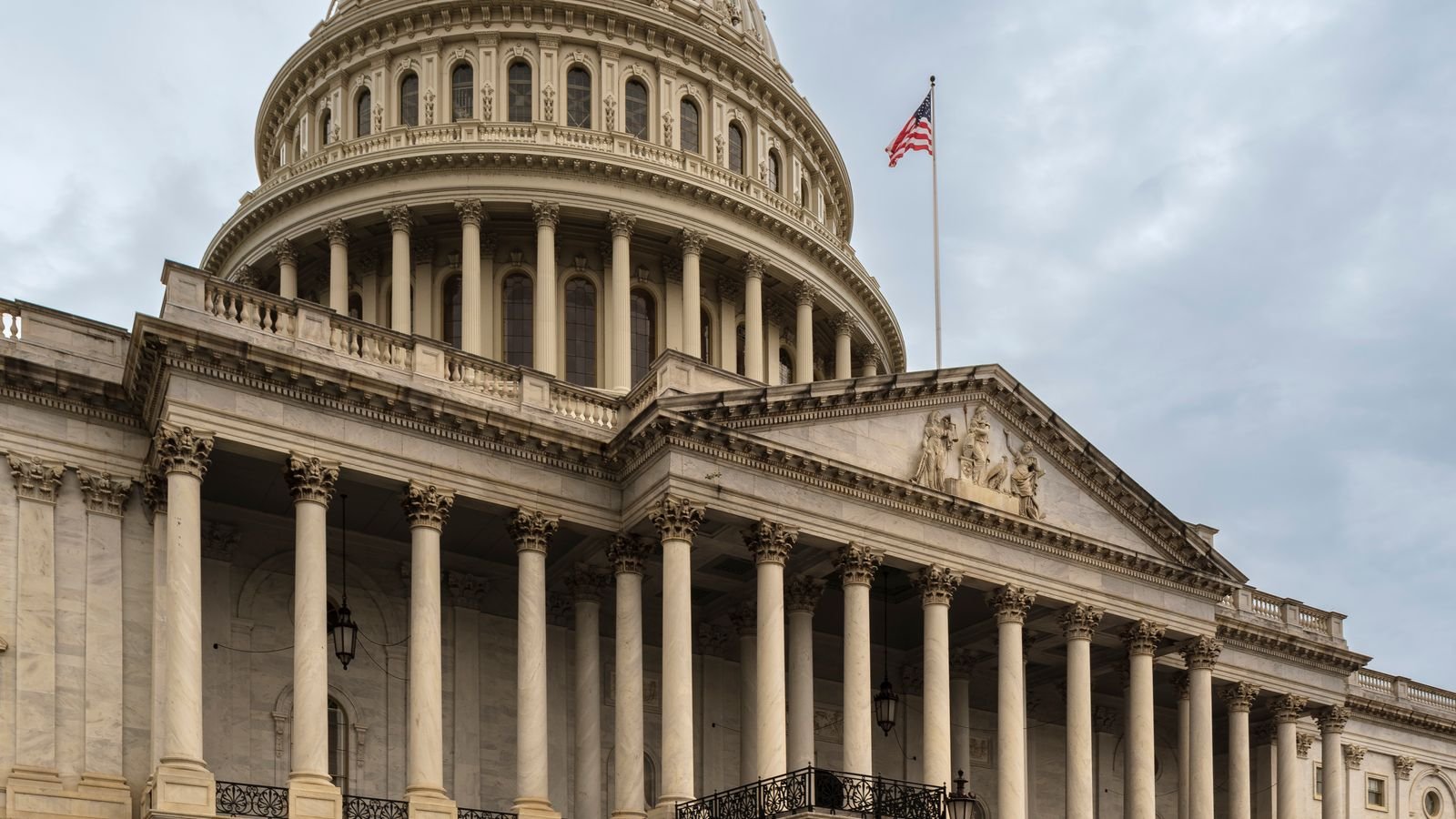
Photo by Trev W. Adams via Pexels
What Fed Officials Have Signaled
Federal Reserve officials have offered somewhat mixed signals heading into this data-heavy stretch. Fed Chair Kevin Warsh has taken a notably hawkish public tone, with CNBC reporting his comments helped drive a bond selloff earlier in the week as markets priced in a higher probability of tightening. Governor Christopher Waller, by contrast, has signaled he would support keeping rates unchanged if inflation data continues moving toward the Fed’s 2% target — a genuine split in tone among voting members that underscores just how live this week’s CPI reading is likely to be in shaping the actual September 15-16 decision.
How to Think About Positioning This Week
- Rate-sensitive sectors face the most binary outcome: Technology and other long-duration growth stocks tend to react most sharply to CPI surprises in either direction, given how heavily their valuations depend on discount-rate assumptions.
- Energy stocks are trading on a separate catalyst: Oil-price-driven moves in energy shares this week are as much about Middle East developments as about the domestic inflation data.
- Watch Treasury auction results, not just yields: A weak auction (measured by bid-to-cover ratios and the yield at which debt clears) can be a leading signal of investor demand concerns before it fully shows up in daily yield quotes.
- Don’t assume this week’s data resolves the Fed decision cleanly: With hike odds sitting near 58% rather than an overwhelming consensus, this week’s CPI and PPI are likely to move that probability meaningfully but not necessarily settle the question entirely before the meeting itself.
Frequently Asked Questions
When is CPI data released this week?
The Consumer Price Index for August 2026 is scheduled for release on Friday, with Producer Price Index data landing Thursday, both ahead of the Fed’s September 15-16 FOMC meeting.
What are the odds of a Fed rate hike this month?
As of this week, markets were pricing roughly a 58% probability of a 25 basis point rate hike at the Fed’s September meeting, based on CME FedWatch data.
Why does oil price matter for this week’s inflation data?
Energy costs feed directly into both the PPI and CPI calculations, so oil prices approaching $100 a barrel amid Middle East conflict could push this week’s inflation readings higher, directly influencing the Fed’s rate decision.
What is the current 10-year Treasury yield?
The 10-year Treasury yield has been trading around 4.8%, near multi-year highs, adding pressure to this week’s scheduled Treasury debt auctions.
Sources & Methodology
This article draws on primary market coverage from: Charles Schwab’s September 8, 2026 market open commentary; Investrade’s Market Review and Mid-Morning Look for September 8, 2026; CNBC’s coverage of Fed Chair Kevin Warsh’s remarks and the bond market reaction; and Trading Economics’ real-time tracking of US Treasury yields, nonfarm payrolls data, and CME FedWatch-derived rate-hike probabilities. Figures reflect data as of this article’s last-updated date and are subject to change as new economic data is released throughout the week.
This article is for informational purposes and does not constitute financial or investment advice.