
Last updated: September 16-17, 2026. Editorial Team — researched using reporting from CNBC, NBC News, and CNN Business. See “Sources & Methodology” for our full source list.
Quick Answer
The Federal Reserve raised interest rates for the first time since 2023 on Wednesday, moving its target range on the overnight funds rate to 3.75%-4.00%. Policymakers voted 12-0 in favor of the increase, a unanimous decision that included Fed Chair Kevin Warsh, who was nominated by President Trump specifically with hopes he would lower rates. Alongside the decision, all but two members of the Federal Open Market Committee forecast at least one additional rate increase before year-end, according to the updated economic projections released the same day. The US dollar index surged roughly 0.6% immediately following the announcement, while President Trump, in his first comments after the decision, again argued rates should be lower.
Warsh’s Own Explanation for the Decision
CNBC’s coverage of Warsh’s post-decision press conference captures his stated rationale directly: “price stability is foundational to economic growth, and I think we took an important step today to deliver it. We did it in part by removing the dose of accommodation that I mentioned before.” He was similarly direct about why the Committee determined a hike was necessary despite the political pressure surrounding the decision, stating that the standard of being confident inflation is moving toward the Fed’s 2% objective “clearly and at sufficient speed” had not been satisfied. NBC News’ coverage adds a related quote from Warsh emphasizing the same underlying concern: “this summer’s inflation readings do not tell me that underlying trends have meaningfully improved.”
Photo by Trev W. Adams via Pexels
The Genuine Political Tension Behind a Unanimous Vote
What makes this decision particularly notable is the political backdrop surrounding it. NBC News’ reporting frames the situation directly: the Fed’s decision defies President Trump even as inflation mounts, with Trump having demanded lower interest rates for years and having specifically nominated Warsh for Fed chair with the expectation he would deliver rate cuts. NBC News notes Trump told NBC News in early February that Warsh would not have received the nomination unless he wanted to lower rates. CNN Business’s coverage adds further texture to this tension: the decision to raise rates was unanimous among the Fed’s rate-setting committee, including Warsh himself, despite Trump having joked earlier this year that he would sue Warsh if he did not lower rates. Following the decision, Trump, in his first comments after the announcement, again argued rates should be lower.
What the Updated Economic Projections Signal
Beyond the immediate rate move, the economic projections released alongside the decision carry significant forward-looking weight. NBC News’ coverage notes that as of this week, all but two members of the Federal Open Market Committee forecast another rate increase before the end of the year — a genuinely strong signal that Wednesday’s hike may represent the start of a renewed tightening cycle rather than an isolated adjustment. The Fed’s official statement characterized the decision’s intent directly: “today’s policy action will support a timelier return to the Committee’s 2 percent goal.”
Why the Decision Carries Real Economic Risk
CNN Business’s analysis is direct about the trade-off this decision represents: raising rates could weaken an economy that’s already showing signs of strain, increasing the risk that the Fed’s inflation fight comes at the expense of broader economic growth. That’s a genuinely real tension worth understanding — the same restrictive policy intended to bring inflation back toward target also raises borrowing costs for businesses and consumers, potentially slowing hiring, investment, and spending in ways that could show up in future jobs and growth data.
Immediate Market Reaction
CNN Business’s live coverage notes the US dollar index surged approximately 0.6% immediately following the rate decision, jumping right after the announcement and getting an additional boost specifically from the unanimous nature of the vote — a detail suggesting markets read the unanimity itself as a signal of genuine committee conviction behind the move, beyond just the rate change itself. A stronger dollar following a rate hike is a fairly standard market pattern, since higher US rates tend to attract foreign capital seeking better returns, increasing demand for dollar-denominated assets.
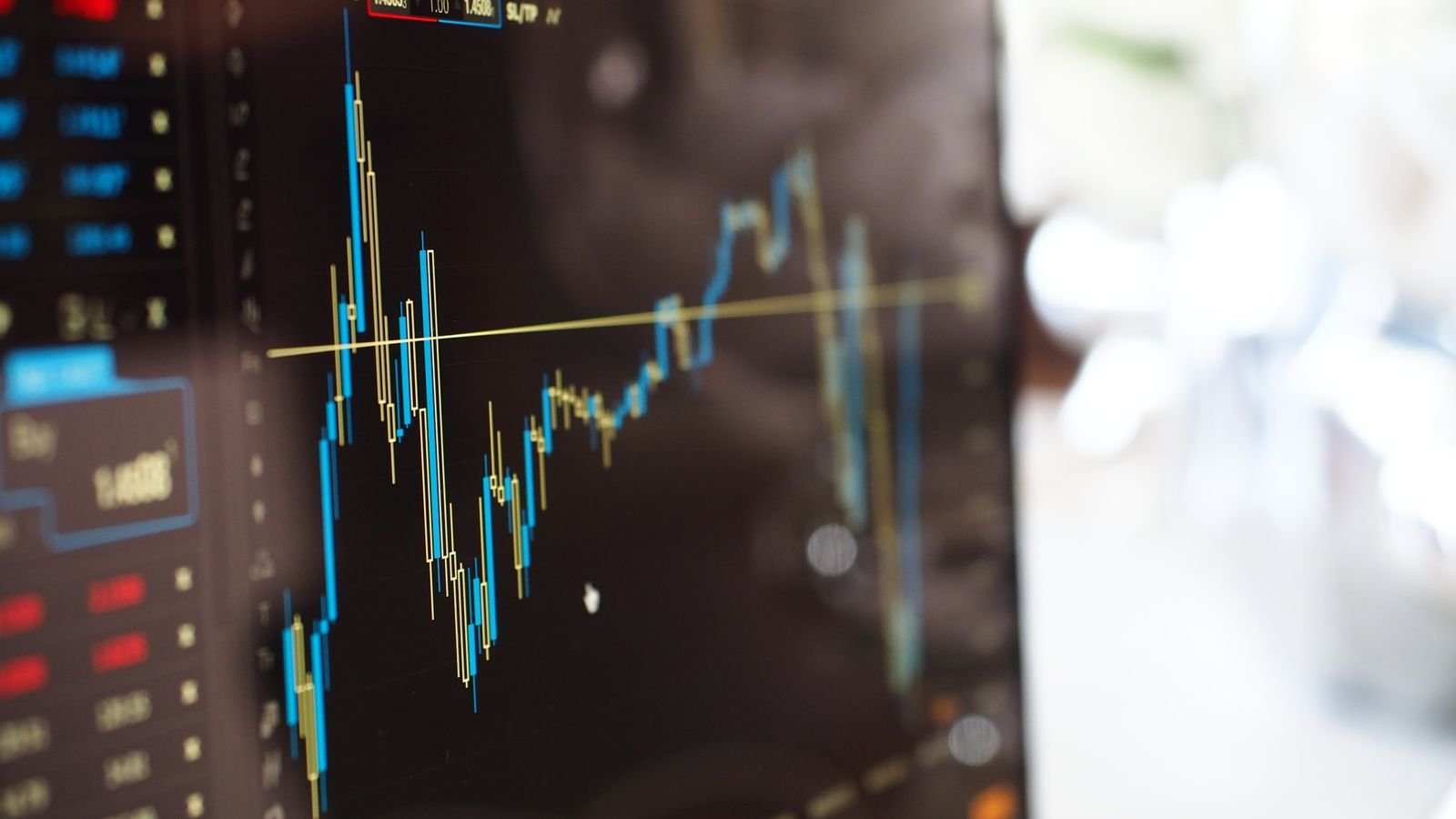
Photo by energepic.com via Pexels
The Broader Cost Backdrop Behind the Decision
NBC News’ pre-decision coverage had flagged the specific consumer-facing costs shaping the Fed’s calculus: higher interest rates generally make borrowing more expensive across credit cards, auto loans, and mortgages, all of which had already remained elevated heading into the meeting. Energy prices added a further complication, with higher oil and diesel prices increasing transportation costs that ripple through to the prices consumers pay for goods, including groceries — a dynamic tied directly to the ongoing Middle East conflict discussed in our companion coverage of this week’s broader market volatility.
What This Means Going Forward
- This likely isn’t a one-time adjustment: With all but two FOMC members forecasting another hike before year-end, borrowers and investors should prepare for the possibility of continued rate increases, not just Wednesday’s move in isolation.
- The unanimous vote is itself a meaningful signal: A 12-0 decision, including from a chair specifically nominated with expectations of lower rates, suggests genuine committee-wide conviction that inflation risks currently outweigh growth concerns.
- Political pressure on the Fed remains a live, ongoing story: Trump’s continued public pushback against the decision suggests this tension between the administration and the central bank is likely to persist through any future rate decisions this cycle.
Frequently Asked Questions
Did the Fed raise interest rates this week?
Yes. The Federal Reserve raised its target range to 3.75%-4.00% on Wednesday, September 16, 2026, its first rate hike since 2023, in a unanimous 12-0 vote.
Will the Fed raise rates again this year?
Likely. All but two members of the Federal Open Market Committee forecast at least one additional rate increase before the end of 2026, according to updated economic projections released alongside the decision.
Why did Fed Chair Kevin Warsh vote for a hike despite being nominated to lower rates?
Warsh stated that the Fed’s standard for being confident inflation is moving toward its 2% target “clearly and at sufficient speed” had not been satisfied, citing persistently elevated summer inflation readings.
How did markets react to the rate hike?
The US dollar index surged approximately 0.6% immediately following the announcement, reflecting typical market behavior when US interest rates rise relative to other countries.
Sources & Methodology
This article draws on reporting from: CNBC’s September 16, 2026 Fed meeting recap, including direct quotes from Fed Chair Kevin Warsh’s press conference; NBC News’ September 16, 2026 coverage of the rate decision and its political context; and CNN Business’s live coverage of the Federal Reserve’s rate decision. Figures and market reactions reflect data as of this article’s last-updated date.
This article is for informational purposes and does not constitute financial or investment advice.