

Headline inflation says 3.7%. Core inflation says 2.6%. Both are real, both are official, and they are telling you different things. If you have ever wondered why the number on the news never matches the number the Federal Reserve talks about, the answer is a single gap: the one between headline and core CPI. Understanding that gap is one of the fastest ways to read an inflation report like a professional.
September’s Consumer Price Index report made the gap impossible to ignore. Headline CPI rose 3.7% from a year earlier, while core CPI, which strips out food and energy, rose 2.6%. This guide explains what each measure captures, why gasoline can swing the headline so sharply, and how to use both numbers to judge what might come next for your budget, your portfolio and interest rates.
What the September report actually showed
The Bureau of Labor Statistics released the September 2026 CPI on October 14. According to coverage from InvestmentNews and OrbitRemit, headline CPI rose 3.7% year over year, above the 3.6% economists expected and up from 3.4% in August. On a monthly basis, headline CPI rose 0.6%.
Core CPI told a calmer story. It rose 2.6% year over year, slightly above the 2.5% forecast and up from 2.4% in August. Month over month, core rose 0.3%, versus 0.2% expected.
- Headline CPI: 3.7% year over year, 0.6% month over month.
- Core CPI: 2.6% year over year, 0.3% month over month.
- Gasoline index: up 9.1% in the month, according to InvestmentNews, accounting for over half of the monthly all-items increase.
That last line is the key. When a single category accounts for more than half of a monthly rise, the headline number is mostly a story about that category.
Headline vs. core: the simple definitions
Headline CPI measures the price change of the whole basket of goods and services a typical urban household buys. It includes everything: rent, groceries, a haircut, a flight and the gas in your tank.
Core CPI removes two categories, food and energy, because their prices bounce around for reasons that often have little to do with the underlying health of the economy. A hurricane, a drought or a supply disruption overseas can move gasoline and grocery prices quickly, then reverse just as quickly.
Neither number is “right” and the other “wrong.” Headline is what you feel at the pump and checkout. Core is a cleaner read on whether broad price pressure is building or fading.
Why gasoline can hijack the headline
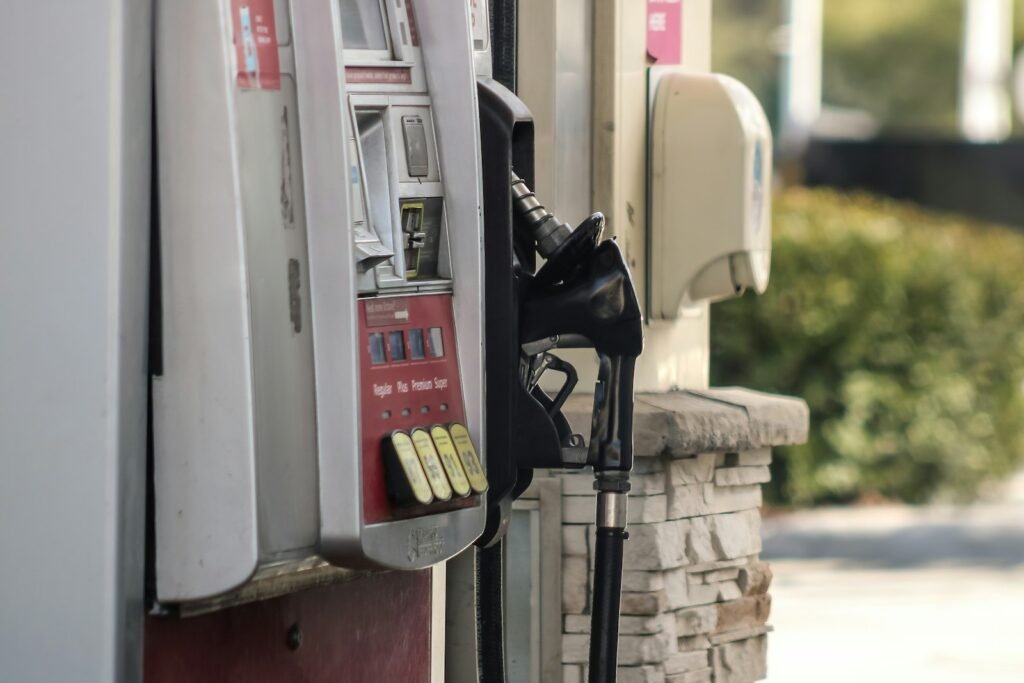
Gasoline is a small part of the typical budget but a very volatile one. A 9.1% jump in one month is large enough to lift the whole index even when rent, services and goods are rising at a steady pace. It also hits consumers where they notice it most: on a sign at the corner station.
This is why economists often talk about the “energy effect” when they discuss a hot headline print. If energy prices later fall back, the headline can cool without the Fed or anyone else doing anything. If they keep climbing, the pressure can spread into other prices, because transportation and production costs rise for nearly every business.
That second path is exactly what policymakers worry about. A one-month fuel spike is a blip. A sustained energy shock can feed into airfares, shipping costs and food prices, and eventually into what people expect inflation to be, which can become self-fulfilling.
Why the Fed cares about core, but not only core
Central bankers tend to focus on core measures because they are better at predicting where overall inflation is heading over the next year or so. But they cannot simply ignore headline inflation. Households and businesses make decisions, from wage demands to pricing, based on the prices they actually see.
Reporting on the September data noted that traders raised their odds of a further rate increase after the report. CME FedWatch probabilities for an October hike jumped to about 51.5% from 23.8% the day before, as reported by InvestmentNews. Those are market-implied odds, not decisions, and they move every day. Check the Fed’s own statements for what actually happened at its meeting.
The lesson is not to memorize those odds but to notice the mechanism: a hotter-than-expected print can change expectations for interest rates within hours, which then moves bond yields, mortgage rates and stock valuations.
A quick way to read the gap
When headline and core diverge, use this simple framework. It will not predict the future, but it keeps you from overreacting to a single headline.
- Headline far above core: Food or energy is probably doing the work. Ask whether the cause looks temporary, such as a one-off supply shock, or persistent.
- Headline and core both rising: Pressure is broadening. This is the more worrying pattern for policymakers.
- Core above headline: Energy or food is dragging prices down while underlying inflation stays firm. Do not mistake a cheap fuel month for a victory.
- Both falling: The trend is genuinely cooling, and rate expectations tend to soften.
September’s pattern fits the first and partly the second: a fuel-driven headline, with core also edging up from 2.4% to 2.6%. That is a reason for attention, not alarm.
A hypothetical example: two households, one report
The following is a hypothetical illustration, not real data.
Imagine two households. The Rivera family drives 30,000 miles a year for work and spends heavily on gasoline. The Chen household works from home, rents an apartment and spends most of its budget on rent, utilities and groceries.
When gasoline jumps in a month, the Riveras feel the 3.7% headline as a real squeeze, and their personal inflation rate may be higher than the official number. The Chens barely notice the fuel spike, but a rise in rent or services, which are part of core, would hit them harder. Same report, different experience.
This is why official CPI is an average, and why your own spending mix matters more than any national figure. If you want a personal read, add up your last three months of spending by category and note which categories are exposed to fuel versus housing and services.
What it means for your money
Savings and cash. With headline inflation at 3.7%, cash earning less than that is losing purchasing power. Compare your savings rate with the headline figure, and see our guide to inflation-protected options if you hold a large cash cushion.
Borrowing. Expectations of higher rates tend to push up borrowing costs on variable-rate debt. If you carry a credit card balance or an adjustable-rate loan, a hotter inflation print is a reminder to pay down high-interest debt first.
Investing. Stocks often react to inflation data through the interest-rate channel. A hot print that raises rate expectations can pressure valuations, especially for companies whose profits are expected far in the future. A fuel-driven spike that looks temporary may matter less than a broad rise in core.
Retirement budgeting. Retirees and people on fixed incomes often feel the headline figure more than core, because food and energy make up a larger share of their spending.
Mistakes to avoid when reading CPI
- Reading one month as a trend. A single report can be revised, reversed or distorted by timing. Look at three to six months.
- Ignoring the monthly number. The year-over-year figure includes price changes from many months ago. The monthly figure shows what is happening now.
- Treating core as “real” inflation. Food and energy are real costs for real households. Core is a forecasting tool, not a moral statement.
- Trading on the first reaction. Markets often swing hard in the first minutes after a release and then settle.
Key takeaways
- September CPI was 3.7% headline and 2.6% core, a 1.1-point gap driven largely by gasoline.
- Gasoline rose 9.1% in the month and made up over half of the monthly increase, according to reporting on the release.
- Headline measures what you pay; core helps forecast where inflation is heading.
- Core also edged up, from 2.4% to 2.6%, so the report was not only about fuel.
- Rate expectations can shift quickly after a hot print, which flows through to mortgages, yields and stocks.
- Your personal inflation rate depends on what you buy. Check your own budget, not just the national average.
Frequently asked questions
Why does the Fed look at core inflation?
Core strips out volatile food and energy prices, which makes it a steadier guide to underlying trends. Policymakers still watch headline inflation because it shapes what households and businesses expect.
Will headline inflation fall if gasoline prices drop?
Often yes, since fuel is such a swing factor. If gasoline falls back, the headline rate can ease even if core stays the same. But future energy prices are hard to predict, so avoid planning around a specific outcome.
Which number should I use for my own budget?
Use headline as a general guide to purchasing power, then adjust for your own spending. If you drive a lot, fuel matters more to you; if you rent, watch housing costs. Your own receipts are the best data you have.
Sources
- InvestmentNews: Core inflation comes in hot again, increasing the likelihood of an October Fed rate hike
- OrbitRemit: US CPI September 2026 headline inflation report
This article is for educational purposes only and is not investment, tax or financial advice.